Frequently Asked Questions
Frequently Asked Questions About Our Plumbing Services in Brea California
At Brea Plumbing Pros, we believe that an informed customer is a happy customer. We understand that plumbing issues can be confusing and stressful. Whether you are dealing with a sudden emergency or planning a major renovation, you likely have questions about the process, the costs, and the best solutions for your home. We have compiled this comprehensive Frequently Asked Questions page to address the most common inquiries we receive from residents and business owners in Brea California. Our goal is to provide you with clear, detailed answers that demonstrate our expertise and commitment to service. We cover everything from emergency plumbing situations to routine maintenance for water heaters and drains. If you do not see your specific question listed here, please contact us directly so we can assist you.
Navigating the world of plumbing repairs and installations requires a partner you can trust. We are the local plumber dedicated to serving the Brea community with integrity and skill. We hope this resource helps you better understand your plumbing system and the services we offer. From determining who to call for water heater repair to understanding the benefits of hydro jetting, we are here to provide the answers you need.
General Plumbing Questions
What areas do you serve?
We are a locally focused plumbing company dedicated to serving Brea California and the surrounding communities. We cover all neighborhoods within the Brea zip codes of 92821, 92822, and 92823. Additionally, we extend our services to nearby cities such as La Habra, Yorba Linda, Fullerton, Placentia, Rowland Heights, Diamond Bar, and Walnut. Our goal is to be the plumber near me that you can rely on for prompt arrival and local expertise. We are familiar with the specific plumbing challenges in these areas, including local water quality and common construction types.
Do you offer services for both residential and commercial properties?
Yes, we are a full service provider acting as both a residential plumber and a commercial plumber. We understand that the plumbing needs of a business differ significantly from those of a home. Residential plumbing focuses on comfort and daily household usage, while commercial plumbing often involves high traffic fixtures, complex code requirements, and the need to minimize operational downtime. We are equipped to handle large scale commercial projects, including restaurant kitchen plumbing, office building maintenance, and retail store fixture installations, as well as all standard home plumbing repairs.
What is the best way to find a trustworthy plumber?
Finding a trustworthy plumber involves looking for a company with a strong local reputation and a commitment to quality. You want a team that is transparent about their process and treats your home with respect. At Brea Plumbing Pros, we strive to be the best plumbing company in the area by prioritizing customer satisfaction. We recommend looking for a company that offers a wide range of services, from drain cleaning to gas line installation, so you can build a long term relationship with a single provider who knows your property’s history.
Do you provide preventative maintenance services?
Absolutely. We believe that preventative maintenance is the key to avoiding costly emergency repairs. We offer annual plumbing maintenance service options where we inspect your entire system. This includes checking water pressure, testing shut off valves, flushing your water heater, inspecting drains for slow flow, and looking for early signs of leaks. Regular maintenance helps identify issues like corrosion or worn out parts before they fail, saving you money and stress in the long run.
Emergency Plumbing FAQs
What is considered a plumbing emergency?
A plumbing emergency is any situation that threatens to cause immediate and significant damage to your property or poses a health safety risk. Common examples include a burst pipe repair need where water is flooding the house, a main sewer line backup that causes sewage to enter your home, a gas leak, or a complete lack of water service. If you have a water heater leaking extensively or a toilet that is overflowing and will not stop, these are also emergencies. If you are searching for an emergency plumber near me, these are the types of urgent situations we are prepared to handle 24 hours a day.
What should I do while I wait for the emergency plumber to arrive?
The first step is to stop the flow of water if possible. Locate your main water shut off valve, which is usually found near the front of the house or in the garage, and turn it off. This will stop water from entering the home and prevent further flooding. If the issue is isolated to a specific fixture, like a toilet or sink, use the isolation valve located behind or under the fixture. Clear the area around the problem site to give our technicians easy access. If there is standing water, try to soak up as much as possible to protect your flooring. If the emergency involves a gas smell, evacuate immediately.
What should I do if I smell gas?
URGENT SAFETY WARNING: If you smell sulfur or rotten eggs, hear a hissing sound near a gas line, or suspect a gas leak for any reason, you must stop what you are doing immediately. Do not touch any electrical switches, do not use a phone inside the house, and do not light any matches. Go outside immediately and call 911. This is a life safety emergency that needs urgent attention. Do not return to the building until emergency professionals have declared it safe. Once the immediate danger is passed, you can contact us for gas leak repair and inspection.
Are you available on weekends and holidays?
Yes, plumbing disasters do not respect business hours. We act as a weekend plumber and a holiday plumber to ensure you are never left without help. We offer 24 7 plumbing help for critical issues. Whether it is a Saturday afternoon clogged kitchen sink fix or a Christmas Day water heater failure, we have technicians on standby to assist you. We are the after hours plumber dedicated to keeping your home safe and functional around the clock.
Drain Cleaning and Clog FAQs
Why is my drain draining slowly?
A slow drain is usually an indication that a blockage is forming in the pipe. In the bathroom, this is often caused by hair, soap scum, and toothpaste buildup. In the kitchen, it is frequently due to grease, food particles, and oil. Over time, these materials coat the inside of the pipe, narrowing the opening and restricting water flow. If you ignore a slow drain, it will eventually become a complete clog. We recommend scheduling a drain cleaning service as soon as you notice the water draining slower than usual to prevent a full backup.
Is it safe to use chemical drain cleaners?
We generally advise against using liquid chemical drain cleaners found in grocery stores. These products rely on strong acids or caustic bases to eat through the clog. Unfortunately, they can also eat through your pipes, leading to corrosion and leaks. This is especially risky in older homes with metal pipes. Furthermore, chemical cleaners often fail to clear the blockage completely, leaving behind a gummy residue. Professional drain cleaning using snakes or hydro jetting is a much safer and more effective solution that protects your plumbing infrastructure.
What is hydro jetting and do I need it?
Hydro jetting is an advanced drain cleaning method that uses high pressure streams of water to scour the interior of your pipes. Unlike a traditional snake, which just punches a hole through the clog, hydro jetting cleans the entire diameter of the pipe, removing grease, sludge, scale, and even tree roots. If you have recurring clogs or if your pipes have heavy grease buildup, hydro jetting is the best solution. It restores your pipes to a near new condition and helps prevent future blockages. It is particularly effective for sewer drain cleaning and kitchen lines.
How do I know if I have tree roots in my sewer line?
Tree root intrusion is a common issue in Brea. Roots are attracted to the moisture and nutrients in sewer lines and can enter through small cracks or loose joints. Signs of root intrusion include frequent clogs in multiple fixtures, gurgling sounds from your toilet when other drains are used, and sewage backups. If you suspect roots, we can perform a video camera inspection to visually confirm the issue. If roots are found, we can use heavy duty augers or hydro jetting to cut them out and recommend pipe repair options to prevent regrowth.
Water Heater FAQs
How long does a water heater typically last?
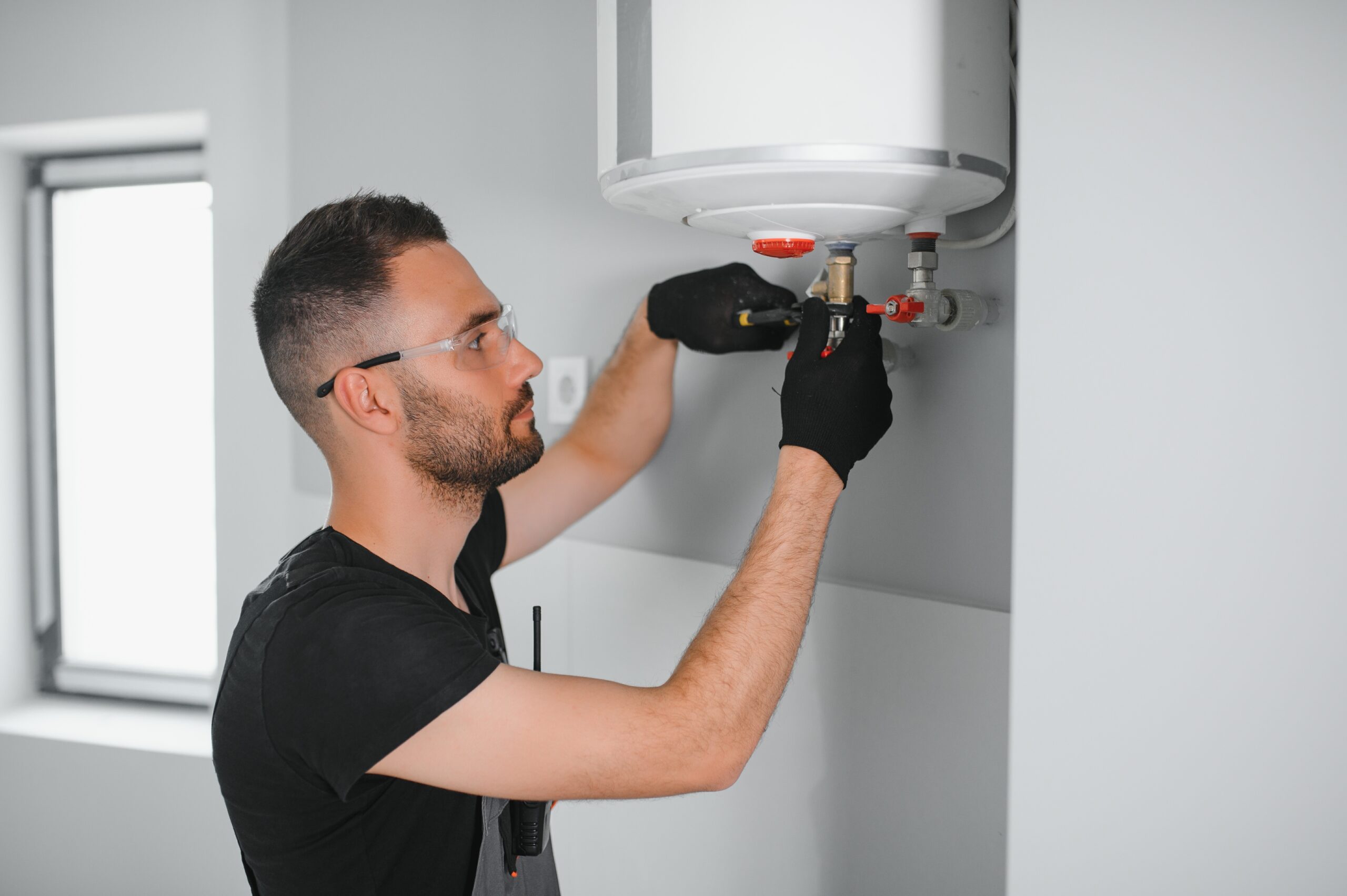
A traditional tank style water heater usually lasts between eight and twelve years. A tankless water heater can last up to twenty years with proper maintenance. Factors such as water quality, usage patterns, and maintenance frequency affect the lifespan. If your unit is approaching the end of its expected life and you are facing expensive repairs, we often recommend water heater replacement as a more cost effective long term strategy.
Why is my water heater making a banging or rumbling noise?
Banging, popping, or rumbling noises coming from your water heater are typically caused by sediment buildup at the bottom of the tank. In areas with hard water like Brea, minerals settle out of the water and form a layer of scale. This sediment traps bubbles of steam underneath it, which pop as the burner heats the tank. This layer also insulates the water from the heat source, forcing the unit to work harder and risking overheating. We can perform a tank flush to remove this sediment and quiet the unit.
What is the difference between a tank and a tankless water heater?
A traditional tank water heater stores a large volume of water (usually 40 to 50 gallons) and keeps it hot 24/7 so it is ready when you need it. A tankless water heater, on the other hand, heats water on demand only when you turn on the tap. Tankless units are more energy efficient because they do not suffer from standby heat loss. They also provide an endless supply of hot water, whereas a tank can run out. However, tankless units have a higher upfront cost for installation. We can help you decide which system is right for your household needs.
My water heater is leaking. What should I do?
A leaking water heater is a serious issue. If you see water on floor near water heater, check to see where it is coming from. If it is coming from a fitting at the top, it might be a repairable pipe connection. However, if the water is coming from the bottom of the tank, it likely means the steel tank has rusted through. In this case, the unit cannot be repaired and must be replaced immediately to prevent flooding. Turn off the water supply to the heater and the power or gas source, then contact us for emergency water heater replacement.
Pipe Repair and Repiping FAQs
What is a slab leak?
A slab leak is a water leak that occurs in the copper pipes running beneath the concrete foundation of your home. These leaks can be caused by chemical reactions between the pipe and the soil, friction from thermal expansion, or poor installation. Signs of a slab leak include hot spots on the floor, the sound of running water when no fixtures are in use, damp carpet or flooring, and high water bills. We specialize in slab leak repair and use electronic detection equipment to locate the leak accurately.
How do I know if I need to repipe my house?
You may need repiping services if your home was built with galvanized steel pipes. These pipes corrode over time, leading to restricted water flow, low water pressure, and rust colored water. If you are experiencing frequent leaks in different areas of the house, it is a sign that the entire system is failing. Repiping involves replacing these old pipes with modern copper or PEX piping. This improves your water quality and pressure and eliminates the worry of future leaks.
What causes low water pressure?
Low water pressure can be caused by several factors. It could be a simple issue like a clogged aerator on a faucet or a partially closed shut off valve. However, it can also indicate more serious problems like a hidden leak in the main water line, a failing pressure regulator, or corroded pipes that are blocked by rust. We act as the plumber to fix low water pressure by diagnosing the root cause. If it is a main water line repair issue or a regulator failure, we can fix it to restore proper pressure to your home.
Copper vs. PEX: Which is better?
Both copper and PEX (cross linked polyethylene) are excellent materials for plumbing pipes. Copper is durable, recyclable, and has a long track record of reliability. PEX is flexible, making it easier to install in existing walls without extensive demolition. PEX is also more resistant to scale buildup and freezing. PEX is generally more affordable than copper. We can discuss the pros and cons of each material based on your specific home and budget to help you make the right choice for your pipe repair or repiping project.
Fixture Installation and Repair FAQs
My faucet drips constantly. Is it worth repairing?
A faucet dripping all night fix is one of the most common requests we get. While a single drip seems minor, it can waste thousands of gallons of water a year and increase your water bill. Whether it is worth repairing depends on the age and quality of the faucet. If it is a high quality fixture, we can often replace the cartridge or washers to stop the leak. However, if the faucet is old, corroded, or inexpensive, it may be more cost effective to proceed with a faucet installation of a new, modern unit.
Can you help with a running toilet?
Yes, a toilet keeps running what to do is a frequent question. A running toilet is usually caused by a faulty flapper that does not seal the tank properly, a float that is set too high, or a broken fill valve. This wastes a significant amount of water. We provide toilet repair services to replace these internal components and ensure the toilet flushes correctly and shuts off completely. If the toilet is cracked or constantly clogging, we can also handle the toilet installation of a new high efficiency model.
What are the benefits of low flow fixtures?
Low flow fixtures, such as water sense labeled toilets, showerheads, and faucets, are designed to use less water without sacrificing performance. Installing these fixtures can significantly reduce your household water consumption and lower your utility bills. They are also better for the environment. Modern engineering allows these fixtures to provide strong pressure and effective flushing power while using a fraction of the water of older models. We can help you upgrade your home with these efficient solutions.
How does hard water affect my plumbing fixtures?
Brea has hard water, which contains high levels of minerals like calcium and magnesium. When water evaporates, it leaves these minerals behind as a white, crusty scale. This scale can clog showerheads and faucet aerators, reducing water flow. It can also damage the internal seals of faucets and valves, leading to leaks. We recommend installing a water softener to protect your fixtures. Additionally, regular cleaning and maintenance can help mitigate the effects of hard water on your plumbing system.
Garbage Disposal FAQs
My garbage disposal is humming but not working. What is wrong?
If your disposal is humming but the blades are not turning, it is likely jammed. This happens when a hard object, like a bone or fruit pit, gets stuck between the grinding plate and the ring. Turn off the unit immediately to prevent the motor from burning out. You can sometimes free the jam using an Allen wrench in the hex socket on the bottom of the unit. If this does not work, or if you are uncomfortable doing it, call us for garbage disposal repair. Never put your hand down the disposal.
What items should I avoid putting down the garbage disposal?
To keep your disposal running smoothly, avoid putting fibrous foods like celery, corn husks, and artichokes down the drain, as they can tangle the blades. Starchy foods like pasta, rice, and potato peels can form a paste that clogs the drain. Hard items like large bones and fruit pits can damage the mechanism. Most importantly, never pour grease, oil, or fat down the disposal, as they solidify in the pipes and cause stubborn clogs. Use the disposal for small amounts of biodegradable food scraps only.
Why does my garbage disposal smell bad?
Bad odors coming from the disposal are usually caused by rotting food particles trapped in the splash guard or the upper part of the grinding chamber. To clean it, you can grind up ice cubes to scrub the blades and inside walls. Adding lemon or orange peels can help freshen the scent. You can also clean the underside of the black rubber splash guard with a brush and soapy water. If the smell persists, it might indicate a backup in the drain line, which may require professional drain cleaning.
Can you connect my dishwasher to the garbage disposal?
Yes, the dishwasher drain hose is typically connected to the garbage disposal. This allows food particles from the dishwasher to be ground up and washed away. We offer dishwasher hookup plumber services to ensure this connection is secure and leak free. A common installation error is failing to remove the knockout plug in the disposal inlet, which prevents the dishwasher from draining. We ensure that the installation is done correctly so that both appliances function in harmony.
Gas Line and Safety FAQs
Do you install gas lines for outdoor grills?
Yes, we provide gas line installation for a variety of applications, including outdoor gas line for grill setups. Connecting your grill to your home’s natural gas supply eliminates the need for propane tanks and ensures you never run out of fuel while cooking. We also install gas lines for stoves, dryers, pool heaters, and fireplaces. We size the pipe correctly to ensure adequate gas flow for all your appliances and pressure test the line to guarantee safety.
What happens during a gas leak repair?
If a gas leak is detected and the gas has been shut off, we perform a thorough inspection to locate the leak. We use pressure gauges to test the integrity of the system and leak detection fluid to find the exact source of the escaping gas. Once found, we repair the pipe or fitting. This may involve replacing a section of pipe, tightening a union, or replacing a valve. After the repair, we pressure test the system again to ensure it is completely sealed before restoring gas service.
How can I tell if I have a gas leak?
The most common sign of a gas leak is the smell of sulfur or rotten eggs, which is an odorant added to natural gas to make it detectable. You might also hear a hissing or whistling sound near a gas pipe or appliance. In some cases, you might see dead vegetation near an underground gas line or dust blowing from a hole in the ground. If you notice any of these signs, follow the safety warning immediately: evacuate and call 911.
Pricing and Service Inquiries
Do you offer estimates for your work?
We believe in transparency. When you contact us for a project, we can discuss the scope of work and provide you with information about the expected costs. For larger projects like repiping or water heater installation, we can assess the situation to give you an accurate understanding of the investment required. We want you to feel comfortable with the work we are doing and the value we provide. We do not use high pressure sales tactics; we simply offer honest solutions for your plumbing needs.
Why should I choose Brea Plumbing Pros over other companies?
Brea Plumbing Pros is dedicated to the local community. We are not just a service provider; we are your neighbors. We combine technical expertise with a commitment to customer service. We are a full service plumbing company, meaning we handle everything from minor repairs to major construction. We use high quality parts, employ skilled technicians, and stand behind our work. We are the trusted plumber for homeowners who want the job done right the first time. Our focus on safety, cleanliness, and reliability sets us apart.
How soon can you get to my house?
We understand that plumbing issues often require immediate attention. We strive to offer same day plumber services whenever possible. For emergencies, we dispatch our 24 hour plumber team immediately. For non-emergency appointments, we work with your schedule to find a time that is convenient for you. We value your time and aim to be punctual. Contact us today to check our availability and schedule your service.
Service Areas and Zip Codes
Brea Plumbing Pros is proud to serve the following areas. We are your local experts for all plumbing needs.
Brea, CA Zip Codes:
92821, 92822, 92823
Surrounding Cities and Zip Codes:
- La Habra, CA: 90631, 90632, 90633
- Yorba Linda, CA: 92885, 92886, 92887
- Fullerton, CA: 92831, 92832, 92833, 92835
- Placentia, CA: 92870, 92871
- Rowland Heights, CA: 91748
- Diamond Bar, CA: 91765
- Walnut, CA: 91789
If you live in or near these areas and have a question that was not answered here, or if you need to schedule service, please contact Brea Plumbing Pros. We are here to help.
Plumbing Pro Services
Committed To Flowing Water & Peace Of Mind
Reliable plumbing solutions for residential and commercial needs. We ensure your pipes, drains, and fixures are working perfectly.
We Deliver Expert Results
Don’t gamble with your plumbing. We combine years of experience with modern technology to deliver lasting repairs and installations. Our team respects your time and your property.
- Fixture Installation
- Leak Detection
- Modern Diagnostics
- Drain Cleaning